
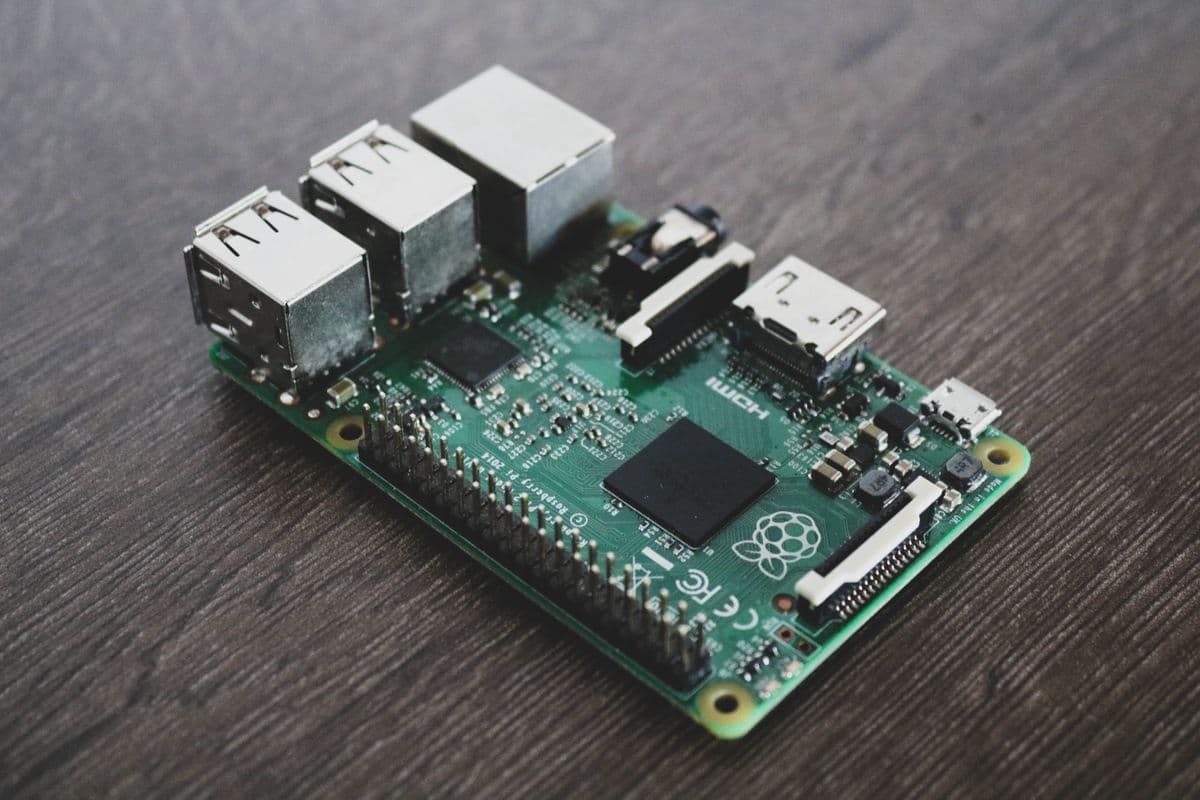
Edge compute unit
Single-board computer with AI accelerator
One protected unit per house runs inference locally. Passive cooling, no moving parts, solid-state storage and a hardware watchdog for unattended operation.
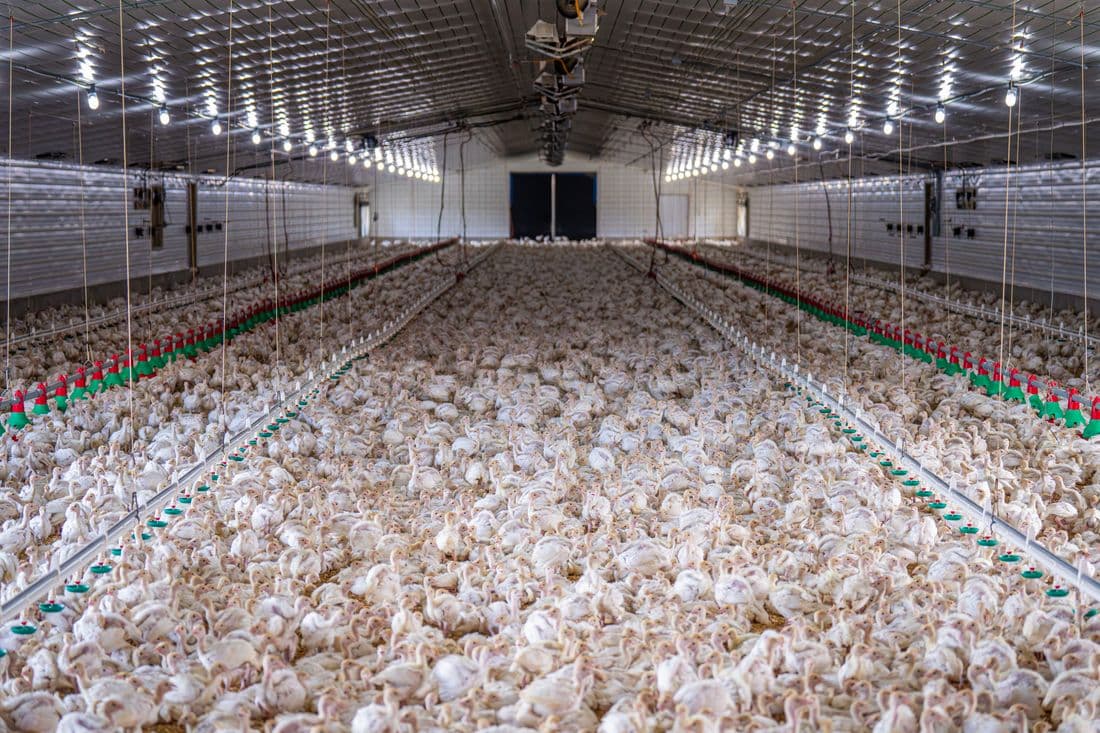
VetSonic AI continuously monitors commercial poultry houses with sound, vision and environmental sensing — turning early patterns into graded health-risk alerts for veterinary investigation.
House 04 · Live signal
acoustic · 32 kHz · 6 mics
Activity index
0.62
NH₃
14 ppm
Temp
22.4 °C
Elevated respiratory pattern detected in zone B
Confidence: moderate · Evidence clip attached · Veterinary confirmation required
Illustrative interface — representative of the system in development
The problem
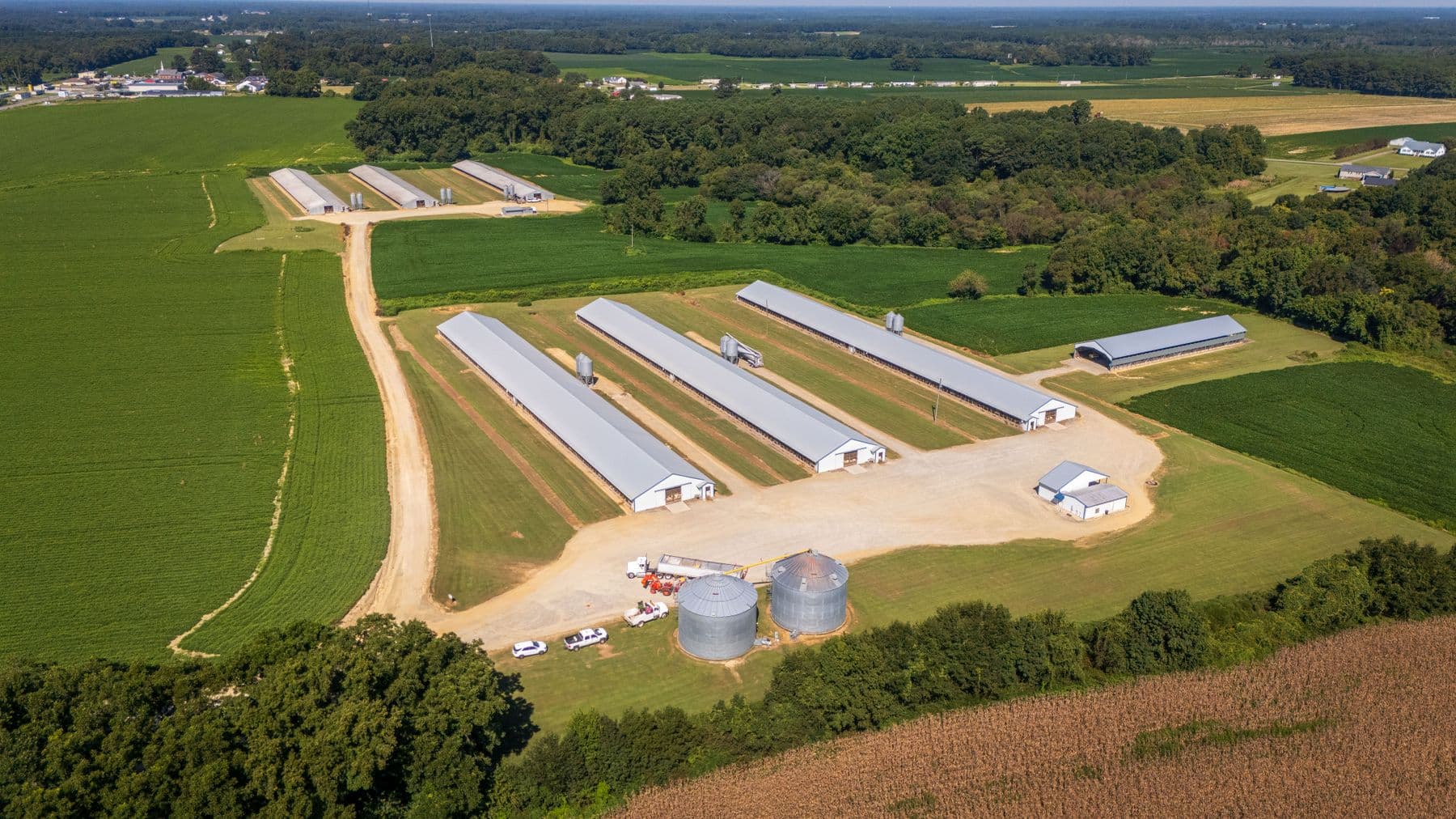
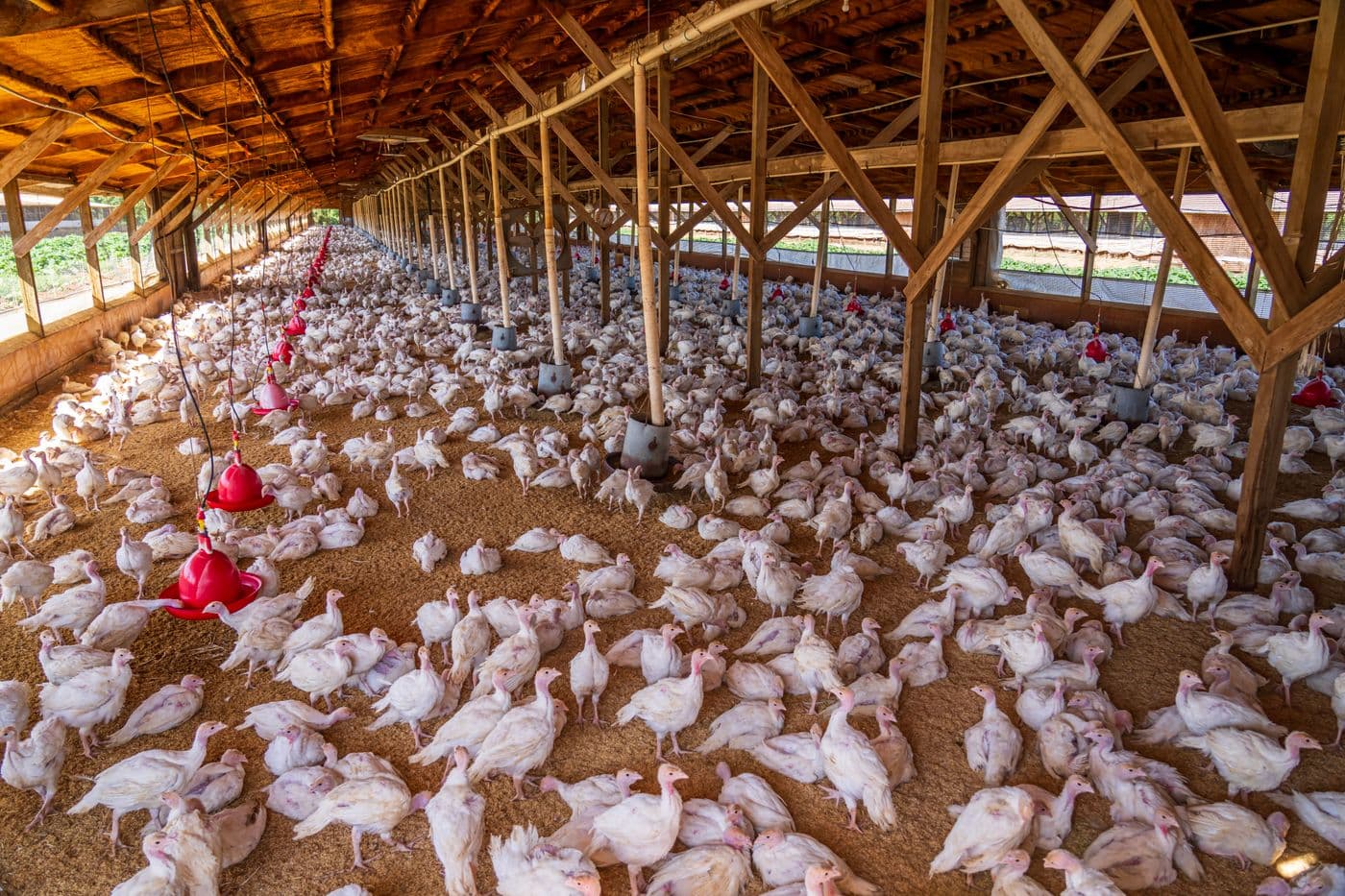
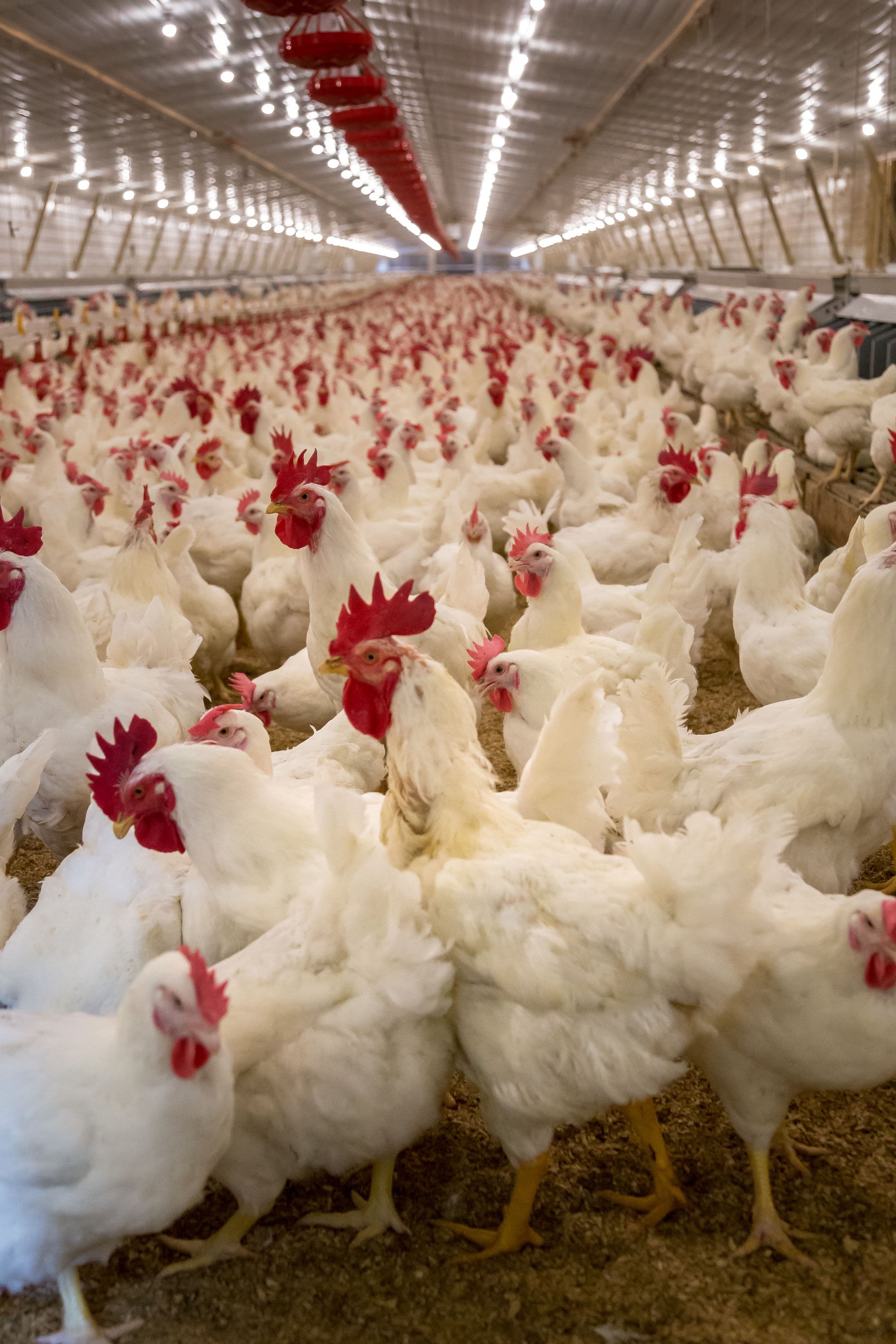
Commercial poultry farms manage tens of thousands of birds in a single house, making continuous individual observation practically impossible.
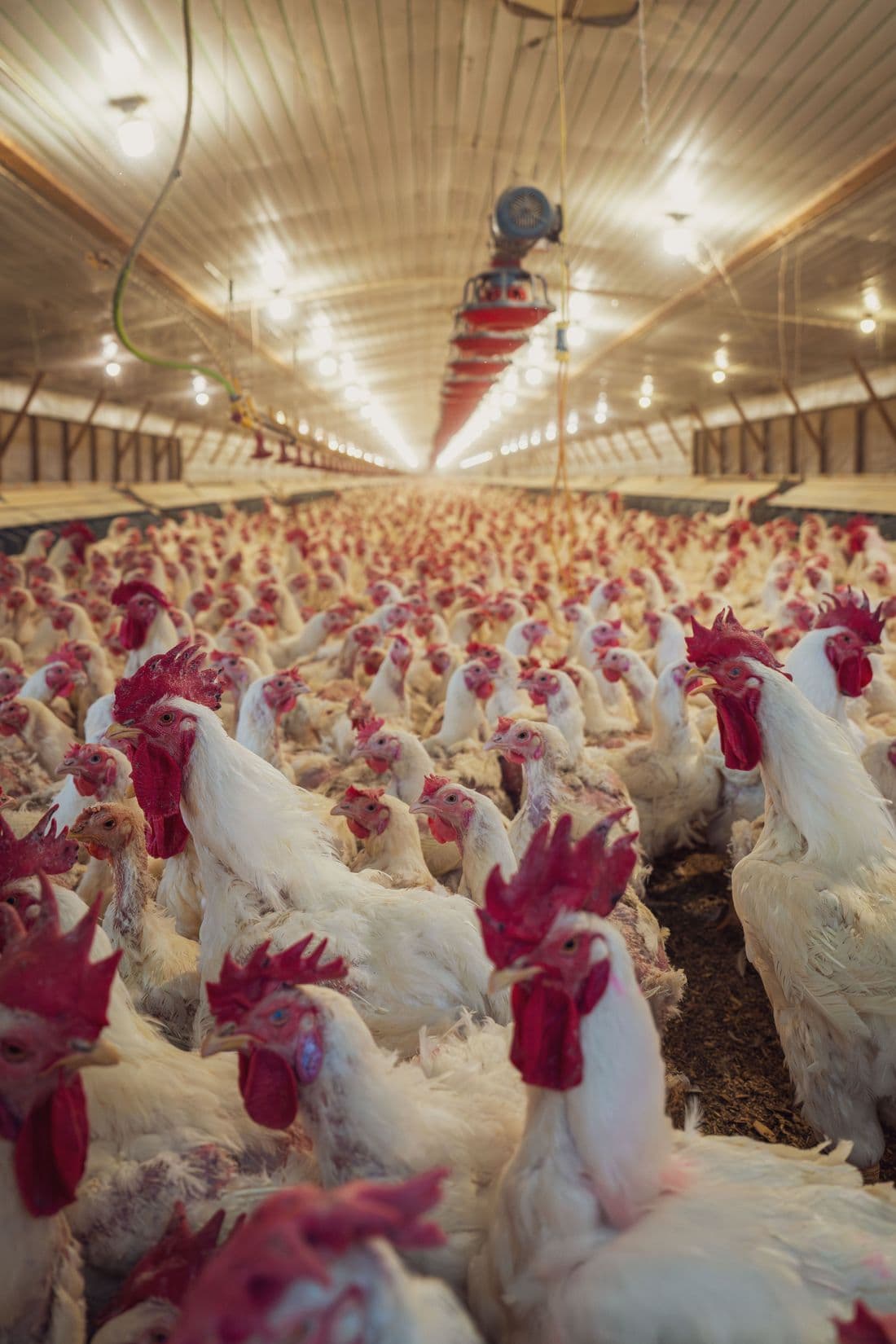
30B+
Poultry birds worldwide
Source: FAO, 2024
Disease and abnormal behaviour are often identified only after visible symptoms appear — when intervention is already reactive.
A house of 20,000–60,000 birds may be inspected only once or twice a day, leaving long periods without effective health monitoring.
Much of the production cycle runs under low-light or dark lighting programmes, when human inspection is least practical.
When early signs are missed, health problems can spread across the flock before veterinary intervention begins.
Late intervention can increase mortality, production losses, and reliance on flock-wide antimicrobial treatment.
The solution
VetSonic AI monitors animal health continuously and detects early signs of disease and abnormal behaviour before they become clearly visible.
Bioacoustic analysis identifies abnormal respiratory and vocal patterns within continuous house noise.
Computer vision monitors movement, distribution and behaviour — 24/7, including dark periods, using 940 nm infrared that birds do not perceive.
Temperature, humidity, ammonia and CO₂ provide the environmental context that drives and confounds respiratory signals.
Edge AI processes acoustic, visual and environmental signals locally and continuously — no raw audio or video leaves the farm.
Veterinary intelligence converts detected patterns into graded health-risk alerts, delivered even when the farm is offline.
From periodic manual inspection
to continuous health intelligence
Decision support — not automated diagnosisTechnology & innovation
Our R&D focuses on combining bioacoustic, visual and environmental signals under real commercial-farm conditions, where ventilation, feeding systems, flock movement and background noise reduce the reliability of single-sensor monitoring.
Separates relevant respiratory and vocal patterns from continuous poultry-house background noise produced by ventilation and feeding systems.
Vision models are designed for the lighting programmes real houses run, not for daylight conditions — infrared illumination keeps observation continuous.
Combines acoustic, visual and environmental evidence to raise confidence and reduce false alerts that a single sensor cannot resolve.
Risk grading is rule-based and inspectable rather than an opaque model output — every alert can be traced back to the evidence that produced it.
Models are validated against veterinarian-confirmed clinical observations and diagnostic evidence collected during field validation.
Validation will measure sensitivity, specificity, false-alert rate and detection lead time compared with routine human observation.
Processing chain
Deployment hardware
No wearables on the birds, no robots on rails. A fixed, low-cost sensing kit per house, engineered for an environment of dust, ammonia, humidity and regular washdown.
Single-board computer with AI accelerator
One protected unit per house runs inference locally. Passive cooling, no moving parts, solid-state storage and a hardware watchdog for unattended operation.
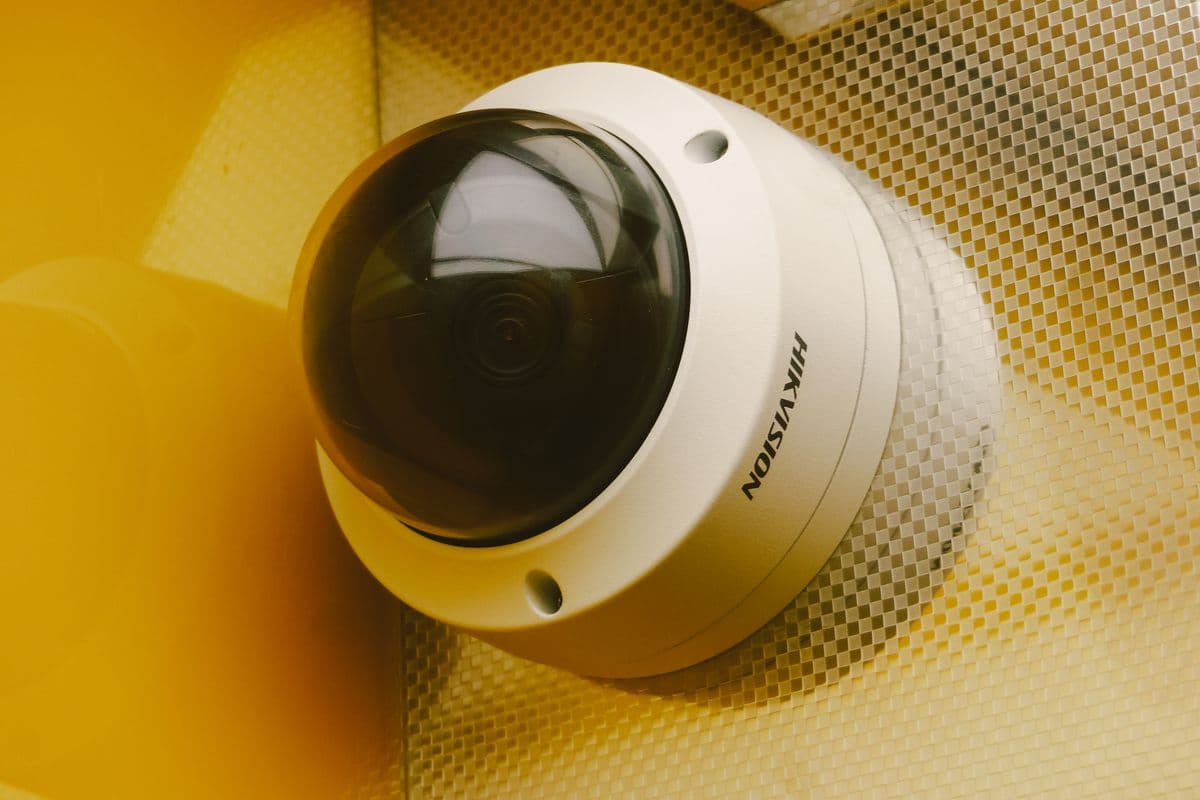
IP66 · wide-angle · 940 nm infrared
Ceiling-mounted, washdown-rated cameras observe flock distribution and activity from above, day and night, without disturbing the lighting programme.
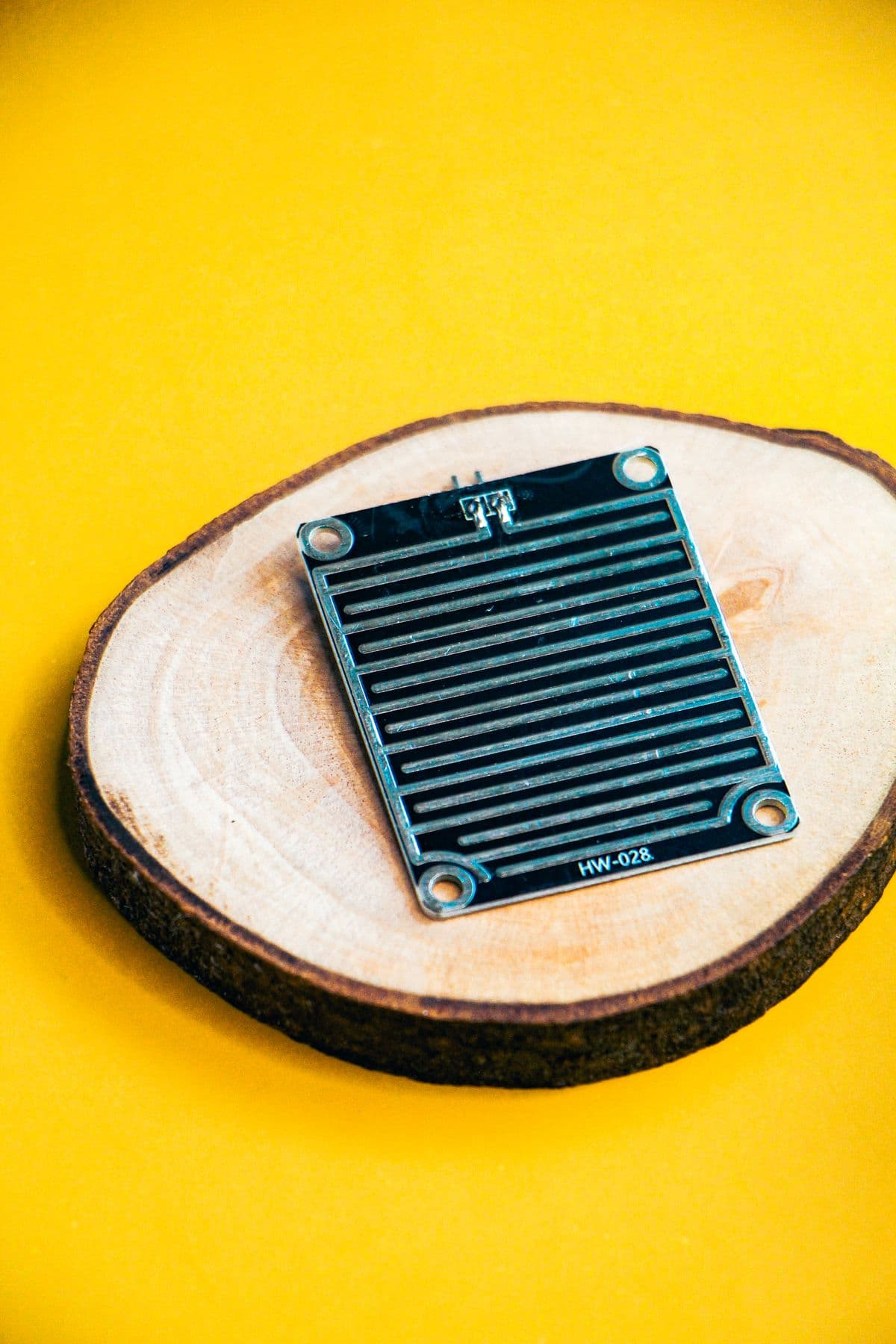
Digital MEMS · 32 kHz
Several microphones along the house capture the high-frequency content of respiratory sounds and localise which zone a pattern comes from.
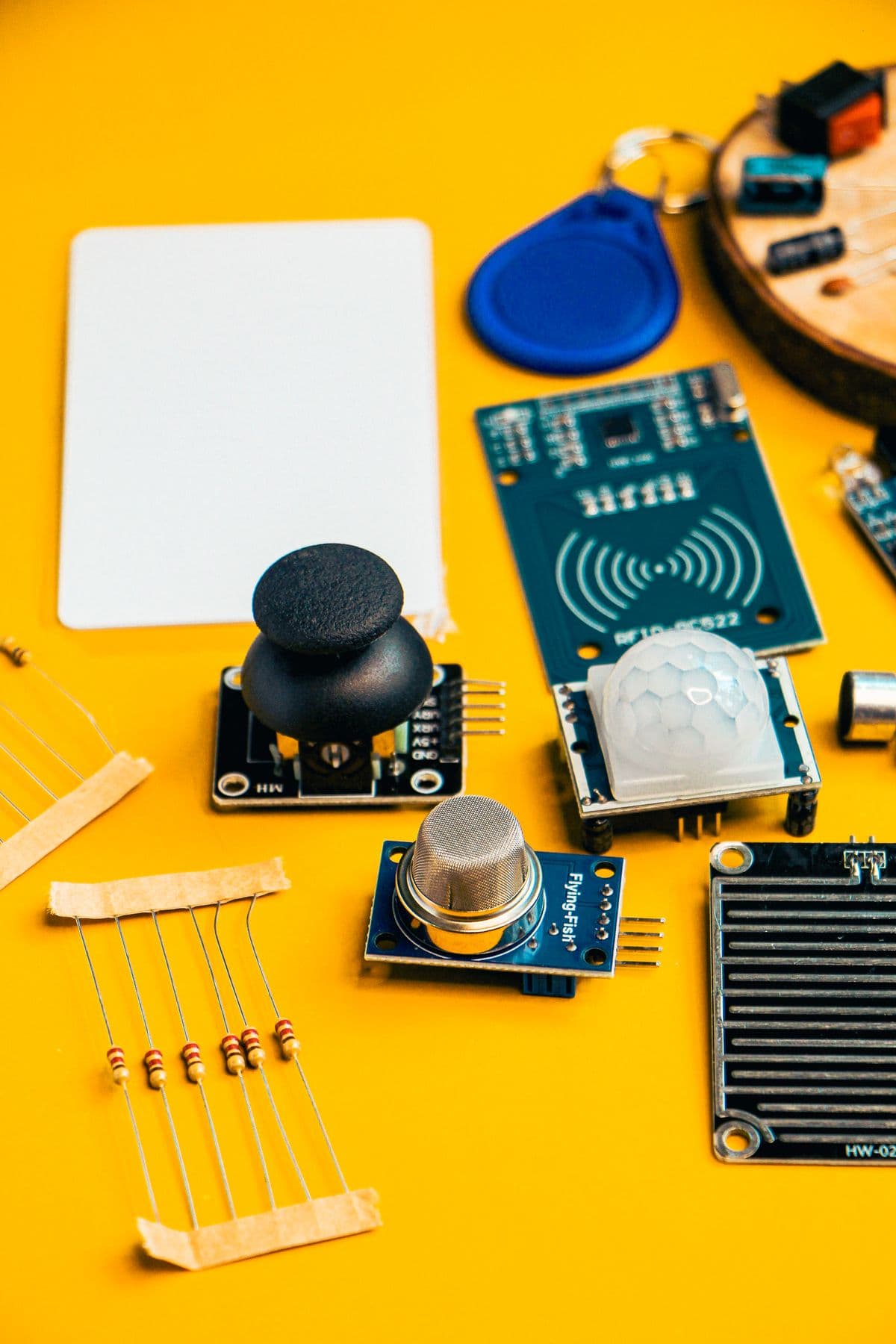
Temperature · humidity · NH₃ · CO₂
Digital sensors provide the environmental context. Where a climate controller already exists, VetSonic reads it directly instead of duplicating hardware.
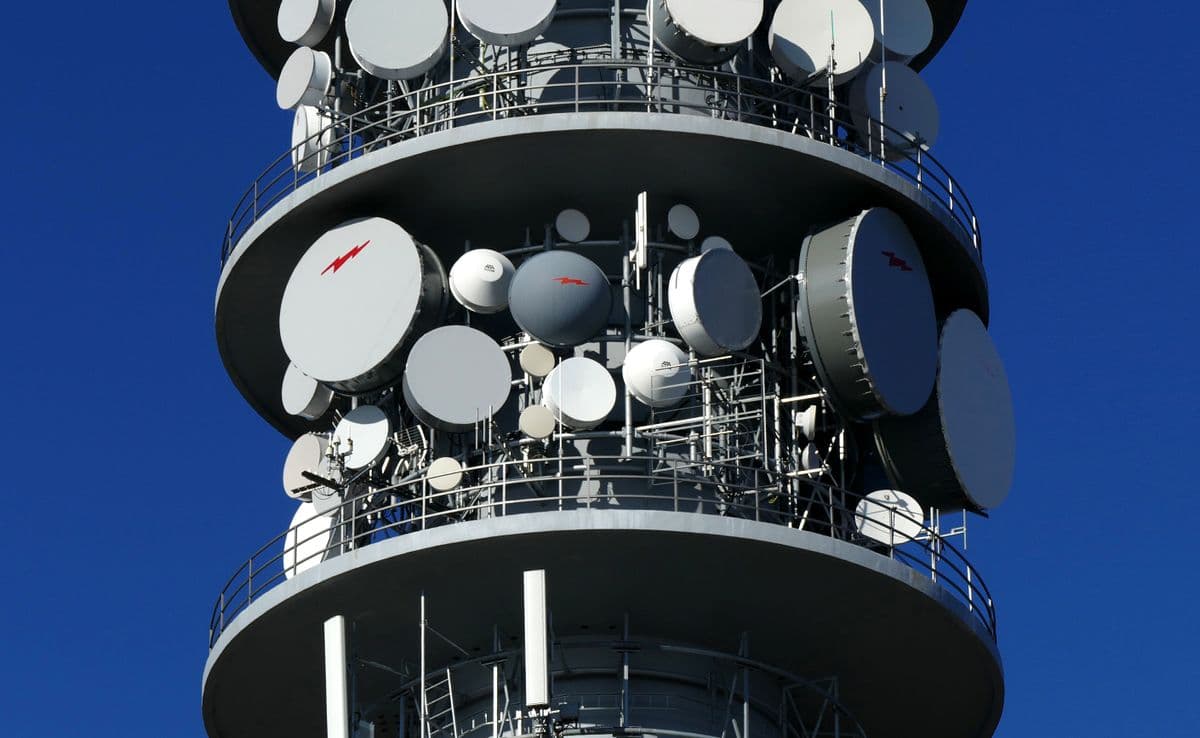
Local buffering · GSM fallback
Monitoring never depends on the internet. If connectivity drops, analysis continues locally and critical alerts are sent by SMS to the farm manager and veterinarian.
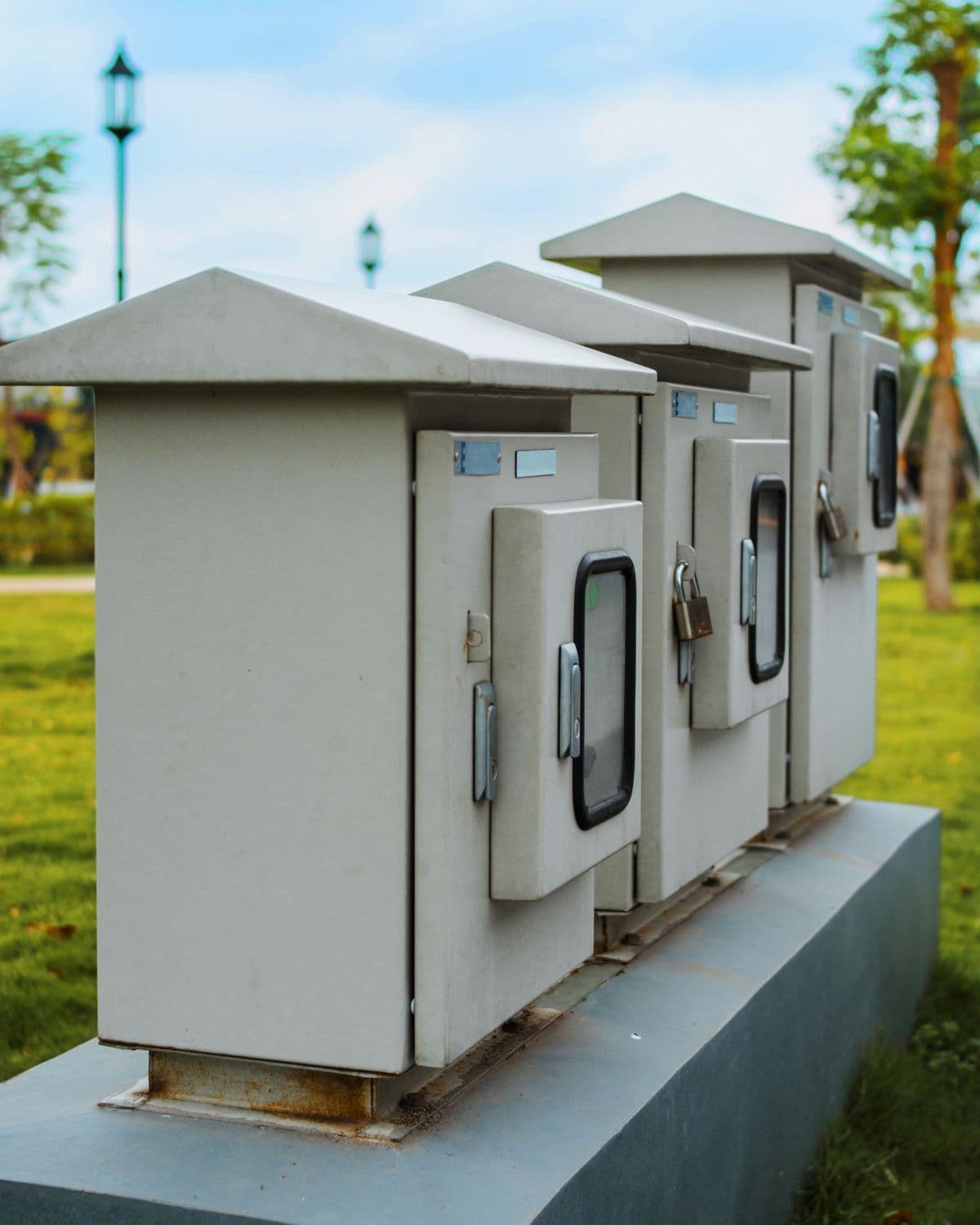
Sealed enclosures · conformal coating
Hardware is designed for pressure washdown, disinfection and ammonia exposure between production cycles, with installation aligned to farm biosecurity protocols.
Hardware reference design is defined and being prepared for field durability testing. Final component selection will be confirmed during validation in Türkiye.
In the house
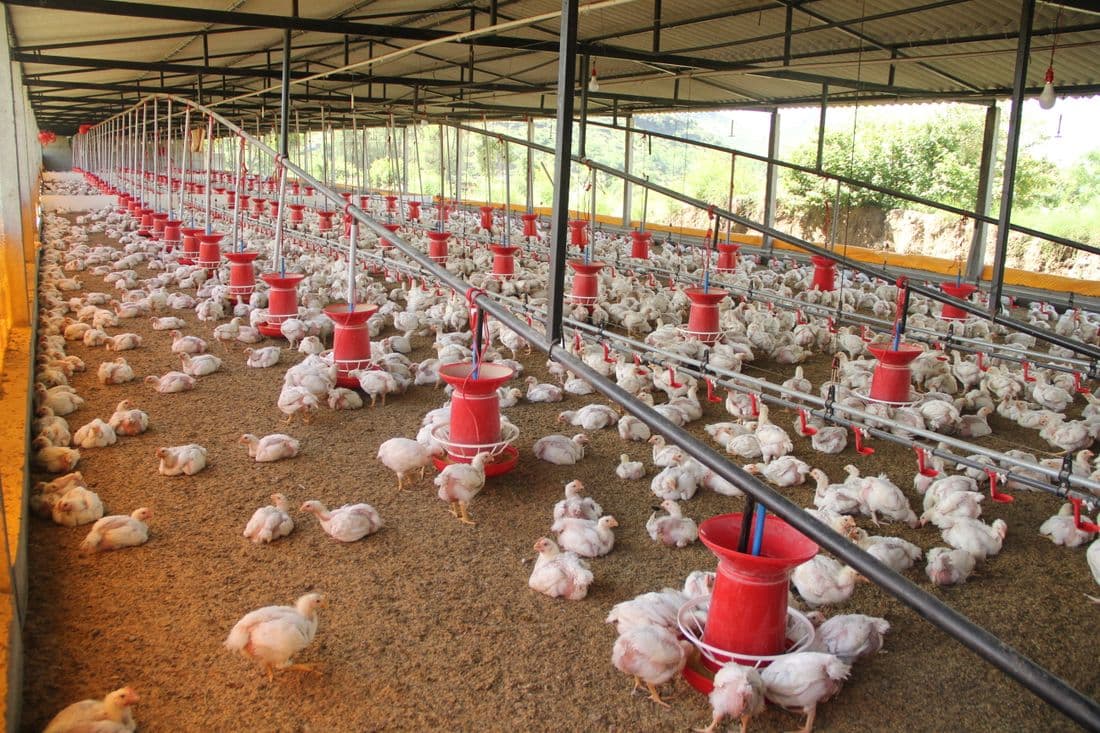
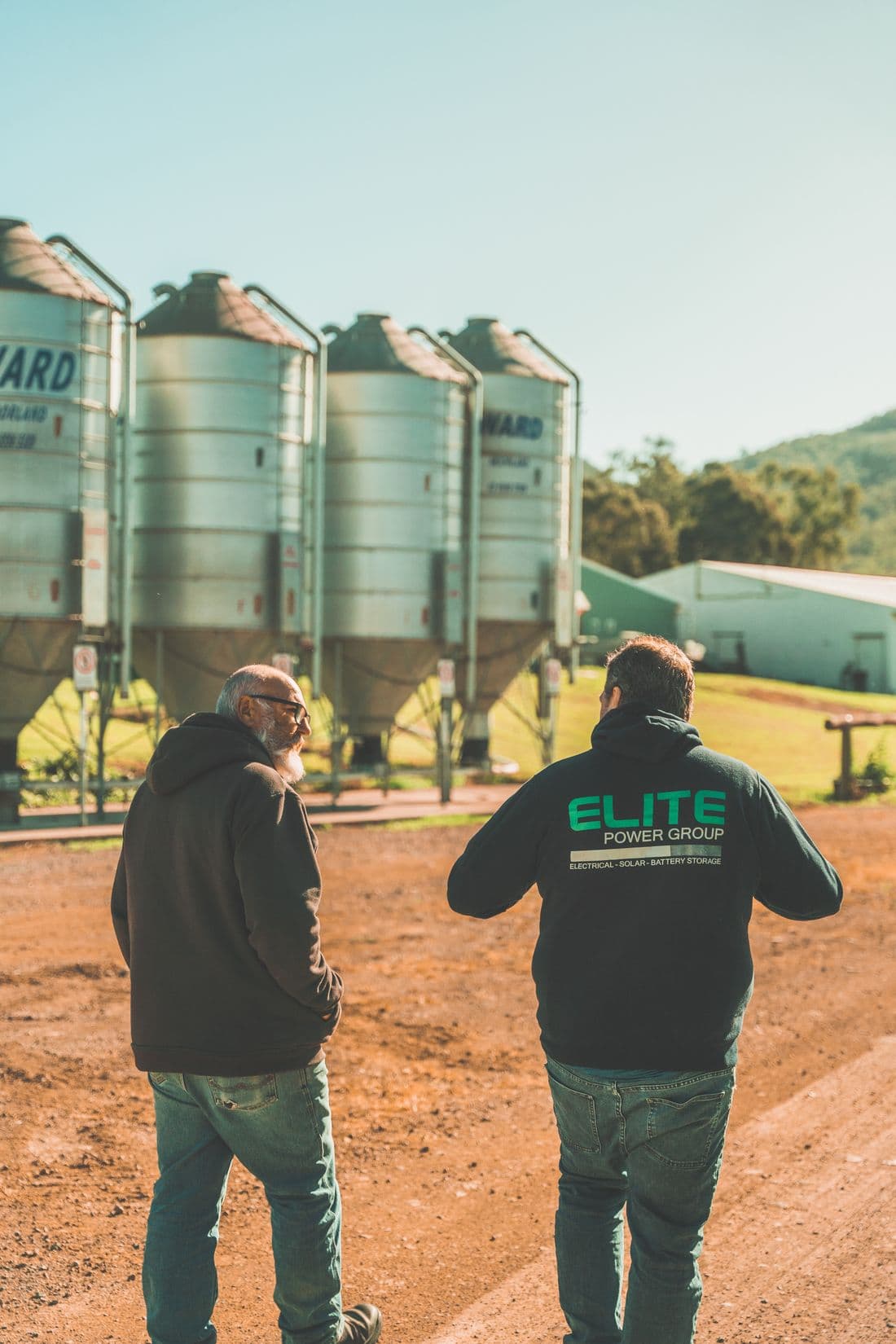
Ventilation noise, dust, ammonia, washdown between cycles and long dark hours are not edge cases — they are the operating environment the system is built for.

The platform
Integrators and veterinary networks see graded risk across their whole farm network. Every alert carries the evidence behind it, so a veterinarian can confirm or dismiss it in seconds.
app.vetsonicai.com / flock-overview
Connected houses
House 01
Broiler · day 24
House 02
Broiler · day 24
House 04
Broiler · day 31
House 07
Broiler · day 12
House 09
Broiler · day 33
38,400 birds · Broiler · day 33
Respiratory index
0.81
+0.34 / 24h
Activity index
0.44
−0.12 / 24h
NH₃
23 ppm
+6 / 24h
Temp / RH
24.1 °C
61 % RH
Respiratory index · last 72 hours
threshold 0.55
Evidence · 14:22, zone B
Confidence: moderate. This is a health-risk indication, not a diagnosis. Veterinary investigation and confirmation required.
Customer value
Earlier health-risk alerts can support faster veterinary intervention before problems spread across the flock.
Continuous monitoring reduces the time between emerging abnormal patterns and veterinary investigation.
Earlier intervention can help reduce the operational and production impact associated with late disease detection.
Monitoring continues through internet outages. Critical alerts still reach the farm manager and veterinarian by SMS.
Market & go-to-market
VetSonic partners with organisations that already serve many poultry houses — integrators, veterinary service networks and farm technology providers — so one relationship can reach an entire farm network.
Global opportunity
Initial market entry · Türkiye
Türkiye provides access to commercial poultry environments for local data collection and clinical validation, industry relationships, and an operational base for expansion into nearby regional markets.
Sources: precision livestock farming market size and CAGR, industry market research, 2026–2032 outlook. Poultry house count: Republic of Türkiye Ministry of Agriculture and Forestry — IPARD III.
Competitive advantage
VetSonic differentiates itself by combining ambient sensing, multimodal AI, edge processing and veterinary intelligence in one integrated platform.
Animals do not require individual tags or wearable devices.
Fixed cameras and microphones instead of mobile robots or rail-based systems.
Acoustic, visual and environmental signals rather than a single monitoring method.
Core inference runs on the farm and keeps running without connectivity.
Reads from the climate controller a house already has instead of replacing it.
Outputs are translated into clinically meaningful risk levels that support veterinary decisions.
| Approach | Monitoring approach | Hardware dependency | Multimodal | Edge processing | Works offline | Clinical intelligence |
|---|---|---|---|---|---|---|
| VetSonic AI | Acoustics + vision + environment | Low | Yes | Yes | Yes | Yes |
| Acoustic-only monitoring | Acoustic monitoring | Low–medium | — | Not confirmed | Not confirmed | Limited |
| Camera-based behaviour monitoring | Vision only | Medium | — | Not confirmed | Not confirmed | — |
| Mobile robot platforms | Robot + vision/sensors | High | Limited | — | — | Limited |
| Wearable sensor systems | Wearable sensors | High | Limited | — | — | Yes |
Comparison of monitoring approaches based on publicly available product information as of September 2026. Categories describe the general approach rather than any single vendor implementation; capabilities marked “not confirmed” are not publicly documented.
Roadmap
Months 1–6
CurrentMonths 7–12
Months 13–18
Months 19–24
Team
VetSonic is built by a veterinarian who has spent nearly two decades in poultry health and an AI architect working on signal processing and edge deployment.
Founder & Veterinary Domain Lead
DVM · 19 years of veterinary experience
Poultry health, clinical validation and veterinary annotation. Defines the clinical framework that every alert is measured against.
Co-Founder & AI System Architect
M.Sc. · AI & System Architecture
Signal processing, computer vision and edge AI deployment. Owns the multimodal pipeline and on-farm hardware architecture.
Embedded / Hardware Engineering
Edge unit integration, sensor electronics and enclosure design for washdown and ammonia exposure.
Local Business Development — Türkiye
Relationships with poultry integrators, veterinary service networks and farm technology providers.
Get in touch
We are preparing field validation in Turkish poultry houses and are speaking with integrators, veterinary networks and technology partners who want early access.